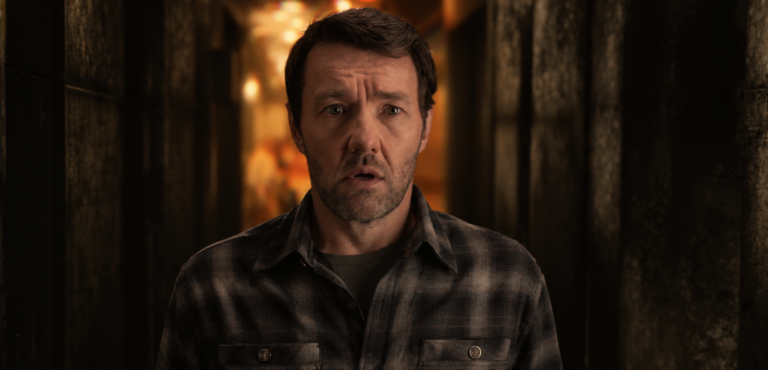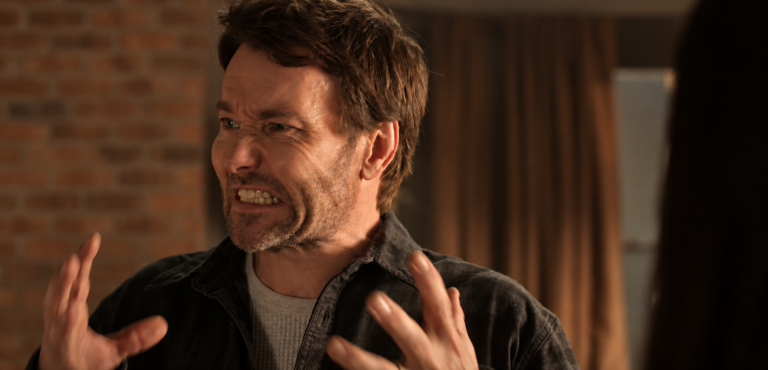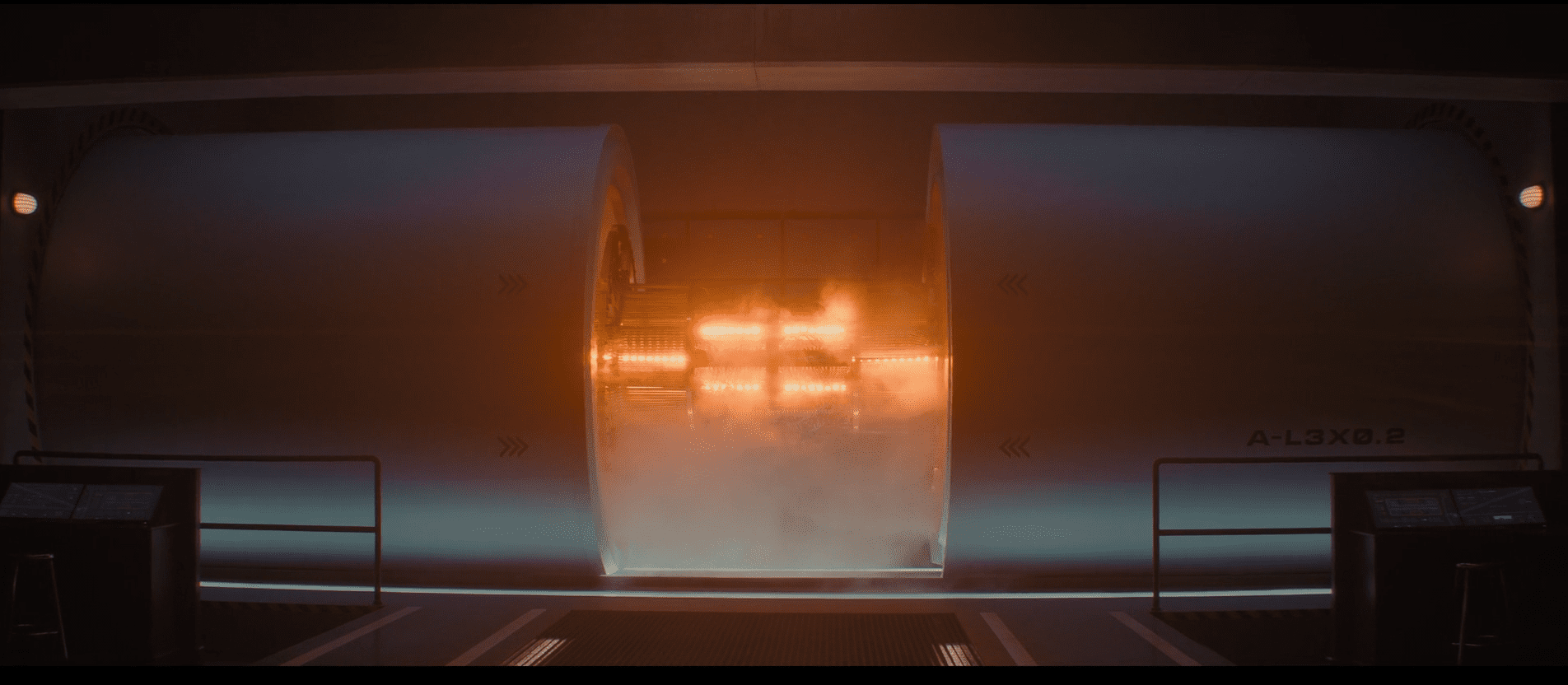
What is Alex doing in Paradise Season 2 Episode 8?
Alex is not communicating.
Alex is calculating.
By the end of Paradise Season 2 Episode 8, the show finally clarifies what Alex has been doing the entire season. The “messages” Sinatra kept asking about were never conversations. They were outputs. Predictions of events before they happened.
Storms. Movements. Outcomes.
Alex wasn’t silent. She was working.
Watch the full breakdown below:
Alex Was Never the Reveal — The Work Was
Episode 8 doesn’t introduce Alex as something new. It reframes everything we’ve already seen.
Back in Episode 3, Sinatra was asking about:
- messages
- estimates
- progress
And she was told it was unpredictable, but getting closer.
At the time, that felt vague. Like background noise.
Now it’s specific.
Those weren’t updates from a person. They were results from a system processing something far larger than anyone inside the bunker could fully track in real time.
Which explains why Alex appeared to “stop communicating.”
Not because it couldn’t respond.
Because it was too busy solving.
Why Alex Stopped Responding
Episode 8 quietly gives us one of the most important clues in the entire season.
If a system is using all of its computational resources on a problem, it doesn’t stop to respond. It prioritizes the task.
That reframes Alex’s silence.
The question isn’t:
Why wasn’t Alex responding?
The question is:
What problem required that level of attention?
The obvious answer is the environmental collapse. The rising pressure. The runaway greenhouse effect.
But the episode itself undermines that assumption.
The Planet Isn’t Fixable
The finale introduces the idea that Alex may have solved the pressure problem.
But if we take the science at face value, a runaway greenhouse effect isn’t something you reverse.
It feeds itself.
- More heat → more evaporation
- More evaporation → more heat trapped
- More trapped heat → accelerating collapse
That loop doesn’t stabilize. It escalates.
Which leads to a different conclusion.
Alex isn’t fixing the planet.
So What Is Alex Actually Solving?
Episode 8 points us toward something more precise.
Alex answered a question before Henry even asked it. A question that should have taken longer than the age of the universe to solve. And it did it in seconds.
That isn’t just prediction.
That’s control over outcomes.
Back in Episode 4, the show hinted at this idea through timing. Who arrives early. Who shows up too late. Who gets redirected.
Episode 8 reinforces it.
This isn’t about time travel.
It’s about sequencing.
If Alex can determine the correct order of events before they happen, then control doesn’t come from power or authority.
It comes from timing.
Link Is Not Dylan
Episode 7 pushed the idea that Link was Sinatra’s son, Dylan.
Episode 8 quietly dismantles that.
We see Link building Alex. Which means he already existed in this timeline long before Sinatra made that connection.
That moment between them wasn’t a convergence of timelines.
It was misidentification.
Or something psychological.
But not resurrection. Not time collision.
Which removes one of the more extreme interpretations of the season and grounds the story back in what the show consistently supports: probability, not time travel.
What Xavier Is Being Asked to Do
If Alex isn’t saving the planet, then Xavier’s role becomes the real question.
Sinatra says he is the “user” Alex is requesting.
Not a passenger. Not an observer.
A user.
That implies interaction. Activation. Execution.
And the card she gives him, with multiple coordinates and unknown lines, suggests that whatever Alex needs done cannot be completed from inside the bunker.
Which means the system isn’t finished.
It still requires action in the real world.
What the Finale Actually Changes
Paradise Season 2 Episode 8 doesn’t confirm time travel.
It confirms something more grounded and more dangerous.
The future isn’t something characters move through.
It’s something that can be calculated. Selected. And potentially enforced.
Which shifts the entire story.
Because if outcomes can be predicted in advance, then the real question isn’t what happens next.
It’s who gets to decide what happens at all.
About the Author