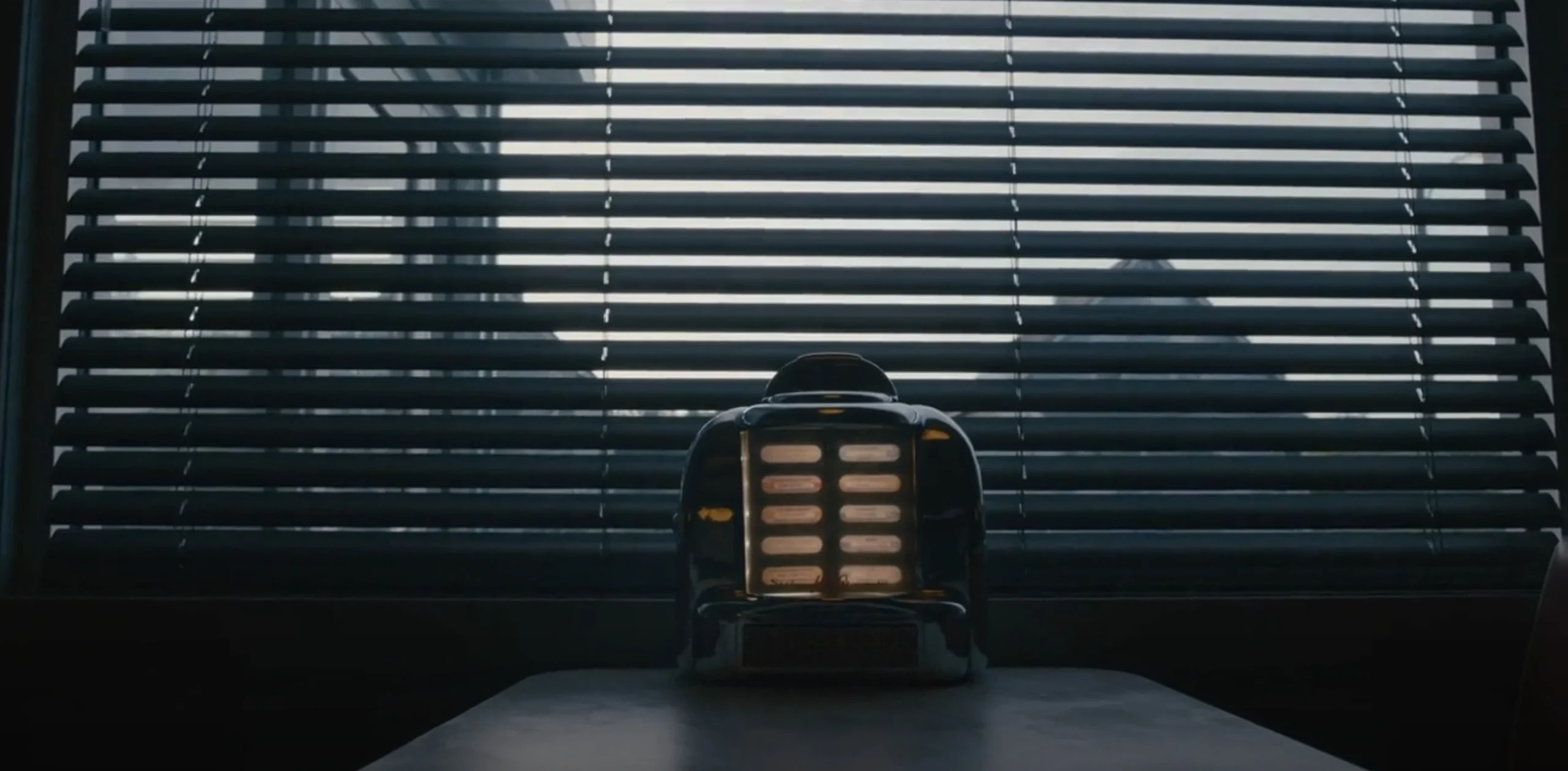
In FROM, one of the most unsettling elements isn’t the creatures lurking outside, it’s the music playing inside the diner.
The Jukebox.
What starts as background noise quickly feels intentional. Songs appear at very specific moments, often mirroring what the characters are going through.
But the more it plays, the clearer it becomes
The jukebox isn’t trying to help.
At first, it’s easy to read the jukebox as a kind of guide, something hinting at what’s coming or reflecting what the characters need to hear.
But the more it plays, the clearer it becomes: it’s not trying to help anyone.
The song choices don’t comfort. They don’t warn. And they definitely don’t offer solutions. Instead, they show up at the worst possible moments, highlighting reality in ways that feel almost cruel.
Take “Celebration” by Kool and The Gang in Season 3, Episode 2.
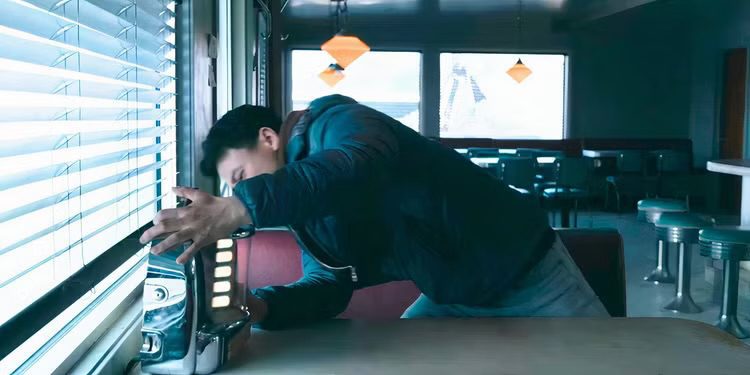
Placed right after the devastating loss of Tian-Chen(Kenny’s Mom), the song doesn’t soften the moment, it underlines it. The contrast isn’t accidental.
The jukebox is acknowledging what’s happening, but with zero regard for how it affects the people experiencing it.
The same goes for “We Gotta Get Out of This Place” by The Animals in Season 1.
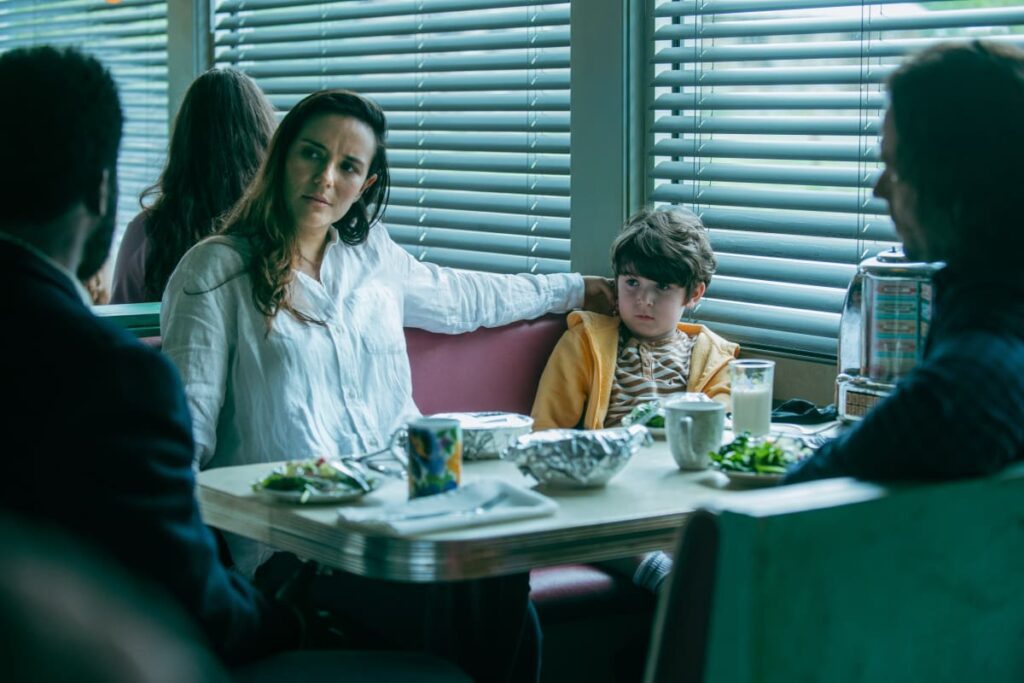
It doesn’t inspire hope, it reinforces the impossibility of escape. It expresses the feelings of the characters while also reminding them they can’t act on it.
That’s the pattern.
The jukebox doesn’t guide, it reflects.
It doesn’t comfort, it exposes.
And in doing so, it reveals something even more unsettling about the town:
Whatever is controlling it isn’t trying to help anyone survive, it’s forcing the characters to face how little control they have. Using awkward perfectly timed reminders of reality.
The Songs Behind the Pattern
If the jukebox isn’t random, then the songs themselves start to matter even more. Across each season, the choices follow a clear pattern—pulling from familiar, often nostalgic tracks and placing them in moments where they hit the hardest.
Here’s a breakdown of the most prominent jukebox songs featured in FROM so far:
Jukebox Songs by Season:
| Song Title | Artist | Mood / Effect |
| We Gotta Get Out of This Place | The Animals | Urgent, desperate highlighting the impossibility of escape |
| If It Be Your Will | Leonard Cohen (Webb Sisters cover) | Somber, spiritual suggesting surrender and lack of control |
| Last Train to Clarksville | The Monkees | Upbeat but distant that adds disorientation to an already strange setting |
| Blue | Joni Mitchell | Melancholic mirroring emotional instability |
| If I Had a Boat | Lyle Lovett | Reflective, suggesting escape just out of reach |
| Everybody Knows This Is Nowhere | Neil Young | Detached, wandering reinforces isolation |
| A Hard Rain A-Gonna Fall | Bob Dylan | Apocalyptic, foreboding”echoes looming danger |
| Who By Fire | Leonard Cohen | Ominous reinforcing fate and judgment |
| In Dreams | Roy Orbison | Dreamlike, eerie blurring reality and illusion |
| Celebration | Kool & The Gang | Joyful but a cruel contrast with grief |
| O-o-h Child | The Five Stairsteps | Hopeful but ironically comfort that doesn’t match reality |
| Send in the Clowns | Frank Sinatra | Melancholic, ironic underscores emotional vulnerability and quiet despair |
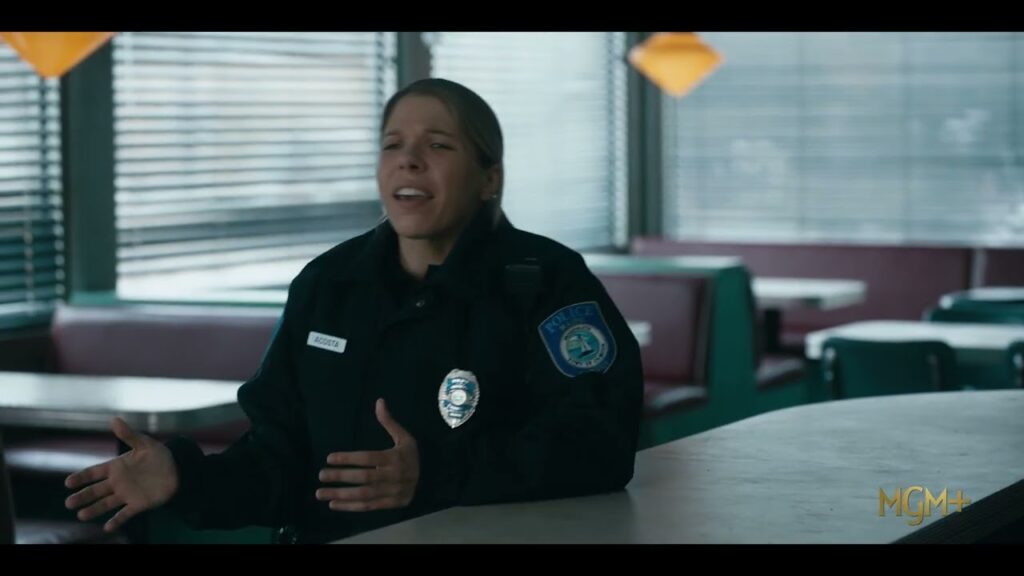
When “Send in the Clowns” by Frank Sinatra plays in Season 4 Episode 1, Acosta is standing there in her stained uniform, contemplating about finally changing into some clothes she found in the diner’s kitchen. The song doesn’t comfort the moment, it exposes it. She hasn’t fully let go of who she was, but the realization is finally there: that the identity of control no longer holds power here.
The Jukebox Is a Tool, But It’s Not Meant to Help
In a place where nothing makes sense, the jukebox might be the most honest thing in town.
It doesn’t guide. It doesn’t comfort.
It’s just making sure they understand where they are in the cycle of this horrifying game.
About the Author