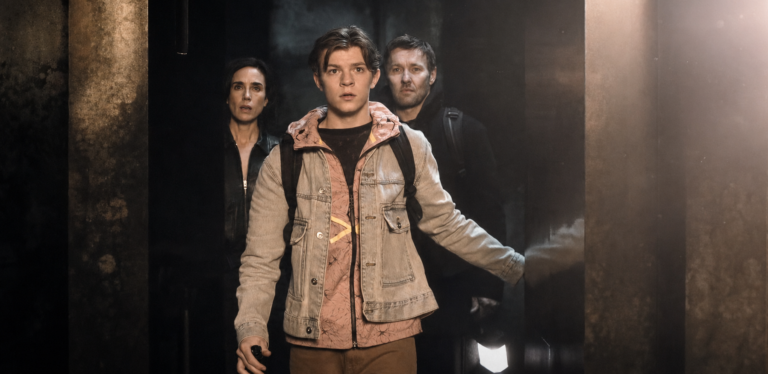
Netflix is reportedly preparing to spend fifty billion dollars to buy Warner Bros. Discovery. On paper, that means blockbuster franchises like Batman, Harry Potter, Friends, and Game of Thrones could all land under Netflix’s roof. But for subscribers, it raises a different question: how much more will they be asked to pay?
Over the past decade, Netflix has quietly raised prices again and again. Back in 2014 the standard plan was $7.99. By 2019 it was $12.99. Today the ad-free premium tier is $22.99, and even the cheapest ad tier keeps climbing. As one frustrated user put it, “Prices keep going up but the quality is the lowest of the low.”
That frustration already shows up across Reddit and social media. Complaints about constant cancellations, filler content on the homepage, and the lack of value have become louder. If Netflix spends fifty billion dollars on Warner Bros. Discovery, history suggests subscribers will be the ones footing the bill.
For Netflix, the logic is obvious. Warner Bros. Discovery holds one of the most valuable libraries in entertainment. Owning Batman, Harry Potter, Friends, and Game of Thrones would mean fewer bidding wars for rights and more content locked inside Netflix’s platform. This is vertical integration in action: the company already owns the distribution and the platform, and now it wants to own the content too.
But libraries are not the same as originals. Retention is not the same as growth. Owning Warner Bros.’ vault will not guarantee the next Stranger Things or Squid Game. And in the meantime, Netflix still carries the challenge of restless subscribers who are already questioning the value of a subscription.
One Redditor summed it up with a warning: “They raise the price we raise the sails.” Piracy might be a joke in the comment section, but it reflects the risk of pushing consumers too far.
Regulators will also be watching closely. A single company controlling Netflix’s global reach along with Warner Bros. Discovery’s massive catalog is the kind of consolidation that triggers antitrust alarms. Washington could drag this out for years.
Long term, the deal could work. The library could buy Netflix time. The scale could force smaller competitors out. And eventually the debt could be managed. But short term, subscribers are likely to feel the pain first. Prices will rise, ad tiers will expand, and original content could become safer and less daring.
The question now is whether Netflix can make such a gamble without breaking the trust of its base. Because subscribers do not care about vertical integration or balance sheets. They care about what is on the screen, how much it costs, and whether it feels worth it.
Would you stick with Netflix if your bill went up again to cover this deal, or would that be the push to cancel?
About the Author