The Scream 7 trailer finally dropped, but instead of excitement, the conversation turned into a boycott. Within hours, fans began spreading the hashtag #BoycottScream7, and the protest quickly gained global traction.
This didn’t come out of nowhere. The movement traces back to late 2023, when actress Melissa Barrera was fired from the film after posting about Gaza. In her Instagram stories, Barrera described Israel’s actions as “genocide” and “ethnic cleansing.” Not long after, the production company Spyglass Media Group released a statement that said, “Spyglass’ stance is unequivocally clear. We have zero tolerance for antisemitism or the incitement of hate in any form, including false references to genocide, ethnic cleansing, Holocaust distortion, or anything that flagrantly crosses the line into hate speech.”
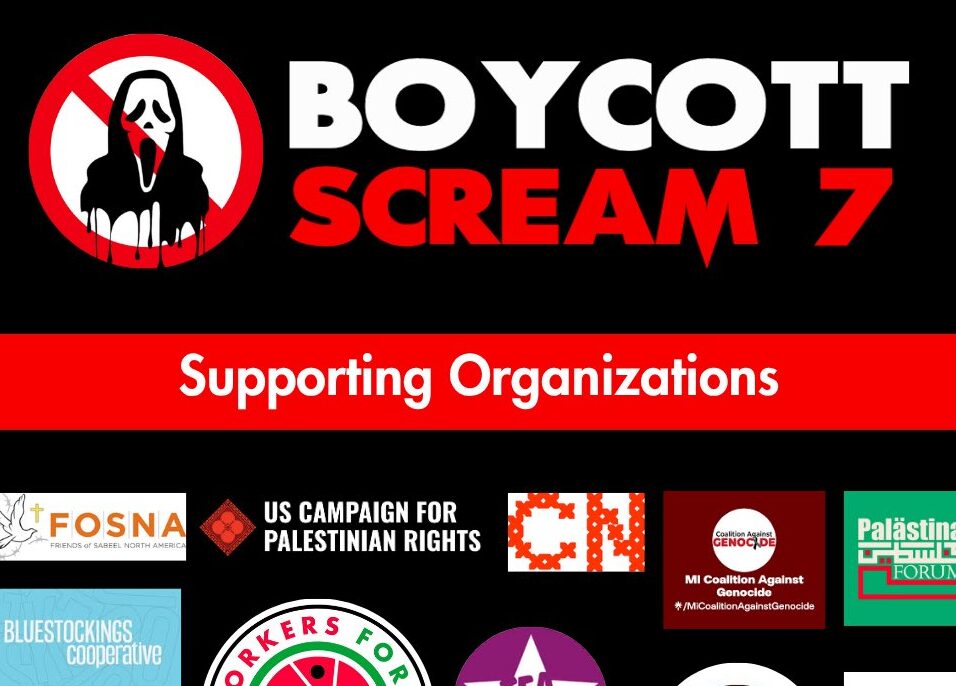
That statement sparked an immediate backlash. Fans accused Spyglass of punishing Barrera for speaking out, while others defended the studio for enforcing its policy. The debate spread fast, but the real momentum came when the Palestinian-led Boycott, Divestment, and Sanctions movement (BDS) announced a formal campaign against Scream 7.
The group urged audiences to avoid the movie in theaters and on streaming, to skip sharing promotional content, and to encourage journalists to mention the boycott when covering the film. When the trailer went live, one boycott tweet racked up more than 32,000 likes, 10,000 retweets, and around 750,000 impressions. That level of early engagement means the protest is not just trending; it is being seen.
BDS has compared Barrera’s firing to other Hollywood incidents, including the controversy around Snow White star Rachel Zegler. The movement claims both cases reflect a pattern of studios disciplining actors who post pro-Palestinian content. Whether that comparison holds up or not, it has helped the movement frame Scream 7 as part of a broader discussion about censorship, activism, and Hollywood’s selective outrage.
For Spyglass, the timing could not be worse. A major franchise sequel is now being defined by politics before anyone has even seen a frame of the movie. For fans, the question is not just whether they’ll watch, but whether they believe artists should face consequences for expressing political views online.
Boycotts are not new, but this one feels different. It has structure, clear messaging, and support from over twenty arts and advocacy organizations across multiple continents. Whether it actually impacts the box office remains to be seen, but the conversation itself is already shaping how the movie will be remembered.
At this point, the protest has become more than just a reaction to one casting decision. It’s a reflection of how social media has turned every film release into a referendum on values, identity, and accountability.
About the Author