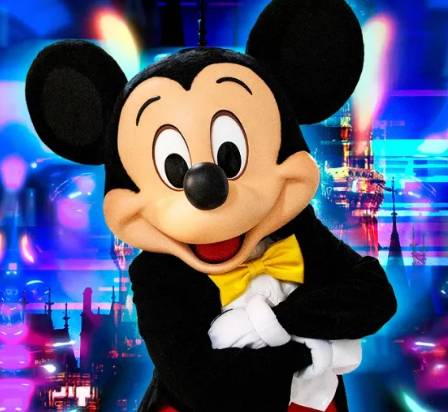
Disney didn’t just invest one billion dollars in OpenAI for fun. This wasn’t a vanity tech bet or a Silicon Valley flex. It was a strategic response to a very real problem. Over the last few years, Disney has taken roughly an eleven billion dollar loss, largely tied to streaming economics that no longer work the way they were supposed to. Subscriber growth slowed, content costs ballooned, and the Netflix chase stopped making sense. Bob Iger’s answer is not more shows. It’s a new model.
On paper, the deal looks simple. OpenAI gets licensed access to over 200 animated characters from Disney, Marvel, Pixar, and Star Wars for use in tools like Sora. Importantly, this does not include actor likenesses or voices. That part of the deal mostly benefits OpenAI by giving them legal cover that other AI companies do not have. It keeps them out of the lawsuits that are already piling up across the industry. That part alone is not especially exciting for viewers.
The real story is the other half of the deal.
Disney now gets deep access to OpenAI’s API. In plain terms, while regular users have to access tools like ChatGPT or Sora through a public interface, Disney gets a backstage entrance. Their apps, platforms, and internal systems can plug directly into OpenAI’s technology. That means Disney can build AI features directly into Disney Plus, their animation pipeline, and their marketing tools without having to build their own models from scratch.
This opens the door to a very different streaming experience. Imagine pausing a scene and asking the app why a character made a certain choice. Or instantly turning a moment from a show into a shareable GIF without leaving the platform. These are not just convenience features. They are engagement tools. They make it easier for fans to do what they already do online, which is react, remix, and share.
When you zoom out, this move fits a broader pattern. Disney is cutting back on traditional content spending while leaning harder into engagement driven ecosystems. Look at their partnership with Epic Games and Fortnite. Instead of interrupting people with ads, Disney puts its brands inside the experiences people already enjoy. The marketing becomes the product.
This OpenAI deal also includes warrants, which give Disney the option to buy more OpenAI equity later at a price locked in today. In simple terms, Disney is positioning itself to benefit financially if OpenAI becomes even more valuable, without committing more money upfront.
Whether you love AI or hate it, this move is smart. Disney is not trying to win the streaming wars the old way anymore. They are shifting from selling subscriptions to capturing attention. Engagement is cheaper than content, and this deal is built around that reality.
The subscriber era is fading. What comes next is platforms competing for how long you stay, how often you interact, and how much you share. Disney is betting one billion dollars that this is the future.
About the Author