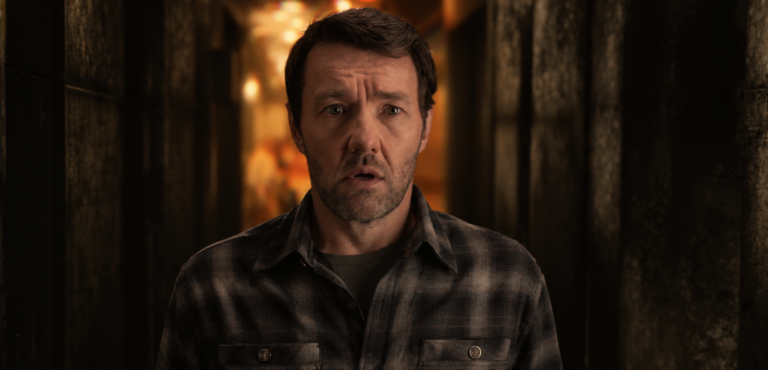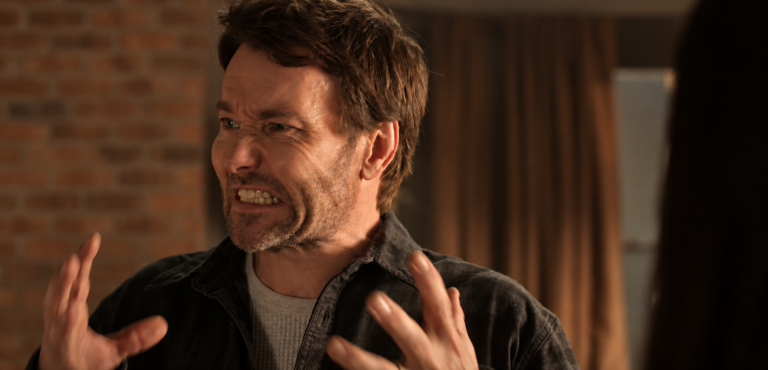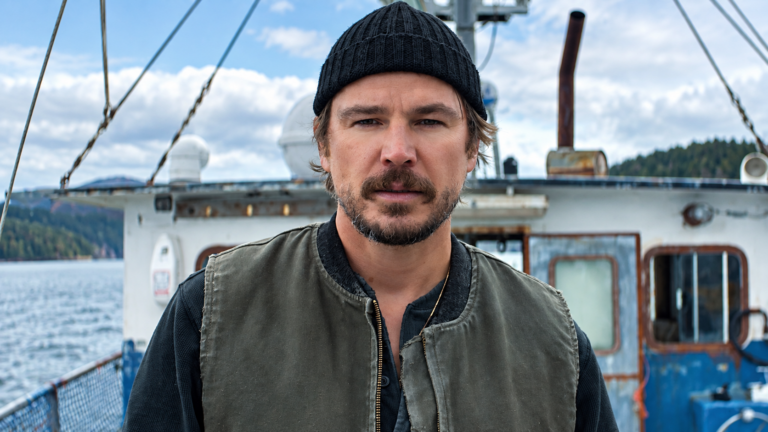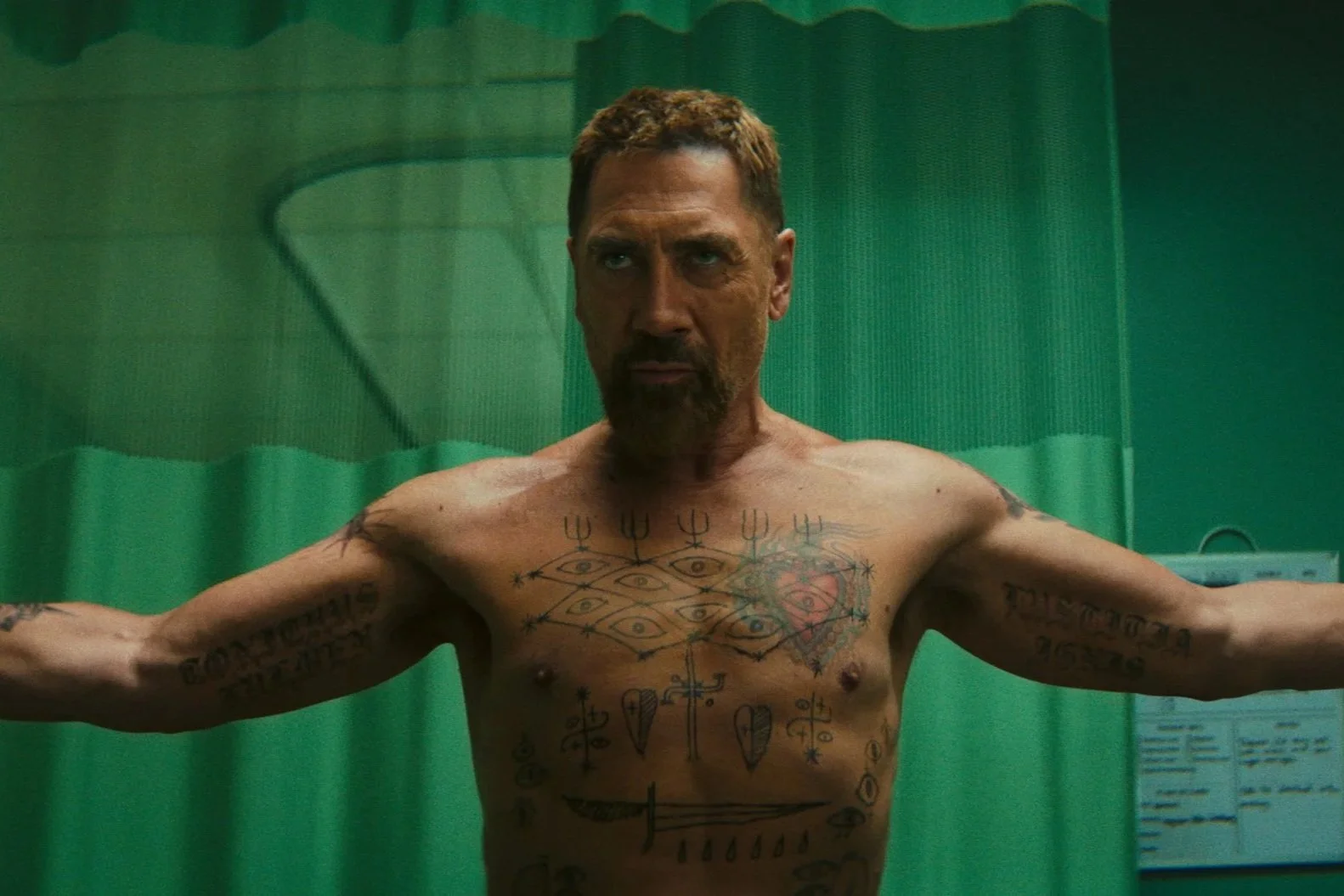
Rather than trying to recreate Robert De Niro’s iconic performance, Cape Fear (2026) reimagines Max Cady for a new era. Javier Bardem delivers a villain shaped by psychological manipulation, modern anxieties, and a different understanding of fear.
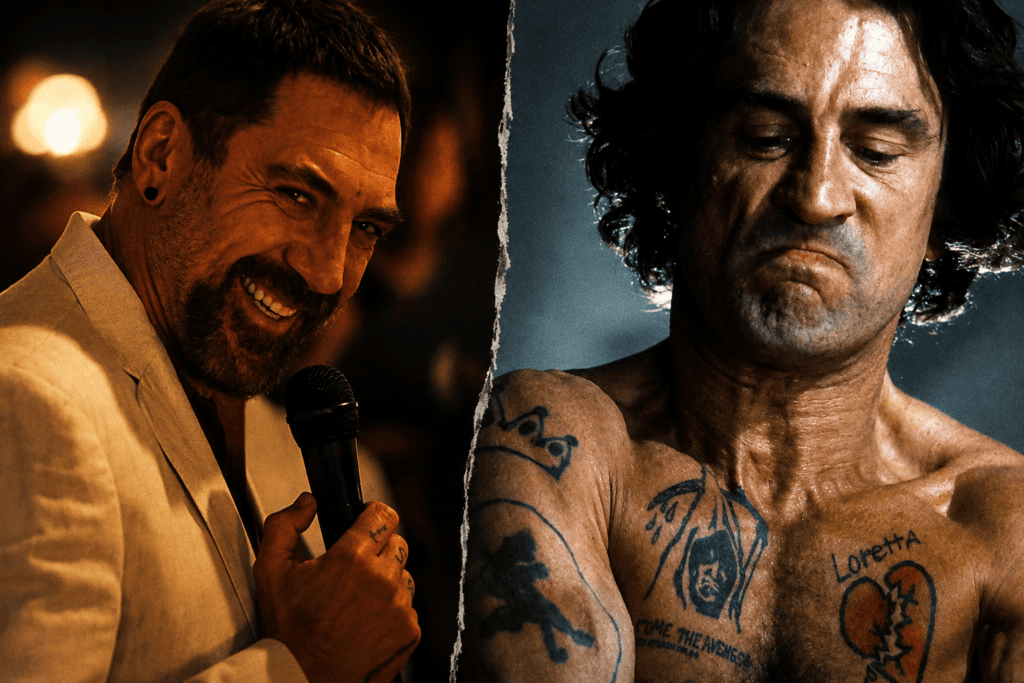
Few thrillers have been reimagined as successfully as Cape Fear. Originally brought to the screen in 1962, the story found new life through Martin Scorsese’s unforgettable 1991 remake, anchored by Robert De Niro’s iconic performance as Max Cady. More than three decades later, the 2026 television series becomes the latest interpretation of a story that has continued to evolve with each generation.
So when a television adaptation was announced, the question wasn’t whether it could match the original. It was whether it had a reason to exist.
After finishing the series and revisiting Scorsese’s film, I realized that comparison misses the point. This adaptation isn’t trying to replace the original or recreate De Niro’s performance. It’s asking a different question:
What would Max Cady look like today?
The answer is Javier Bardem.
Not because he imitates De Niro, but because he understands that fear has evolved. His Max Cady is still dangerous and capable of horrifying violence, but violence isn’t what defines him. His greatest weapon is his ability to read people, exploit their vulnerabilities, and slowly dismantle their sense of security.
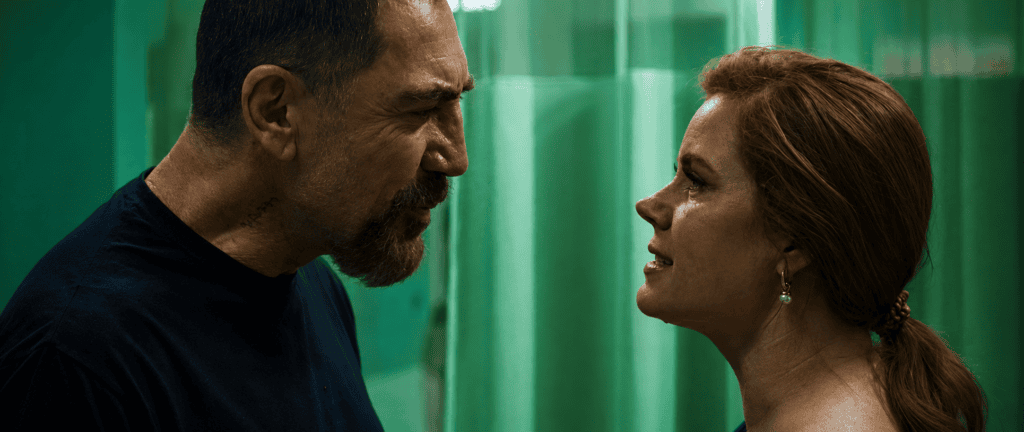
Respecting Scorsese’s Original While Finding a New Voice
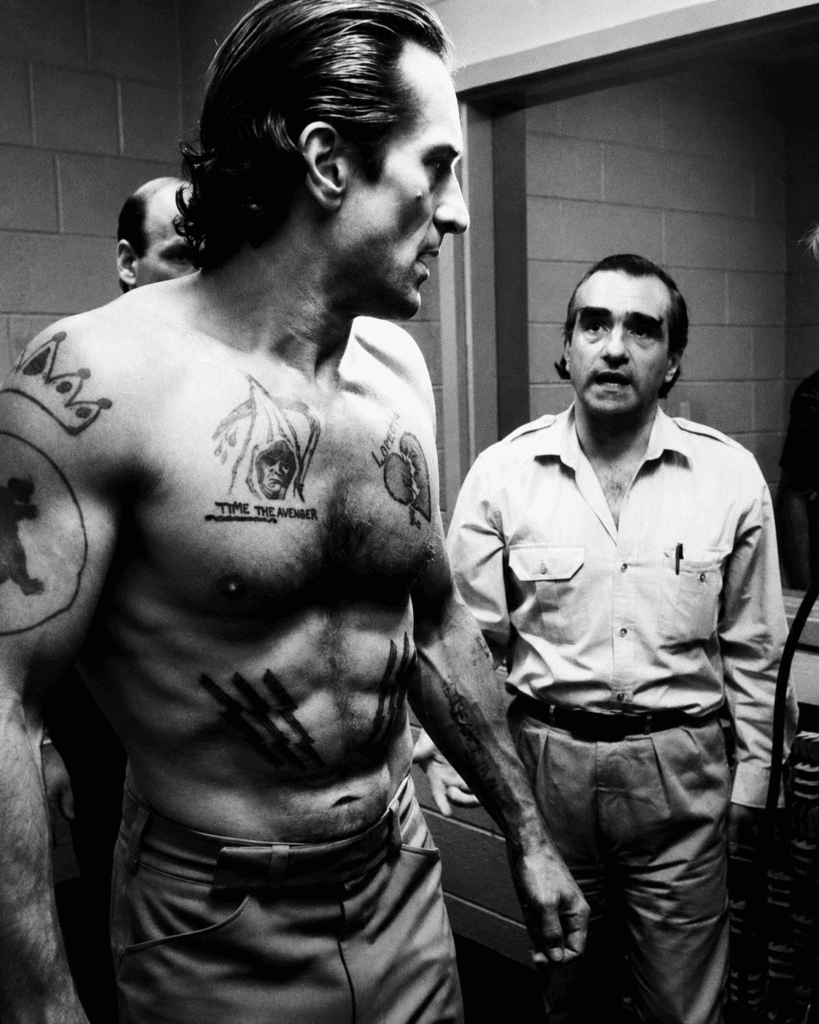
Martin Scorsese’s Cape Fear remains a masterclass in suspense. De Niro’s Cady was physically imposing, unpredictable, and impossible to ignore. Every encounter carried the threat of immediate violence.
Robert De Niro created the blueprint. Javier Bardem never tries to redraw it, he builds something different on the same foundation.
With Martin Scorsese and Steven Spielberg serving as executive producers, the series preserves the moral ambiguity and relentless tension that made the original memorable while allowing a new creative team to reinterpret those ideas for a contemporary audience.
Javier Bardem Plays the Long Game
The smartest decision Bardem makes is refusing to imitate De Niro.
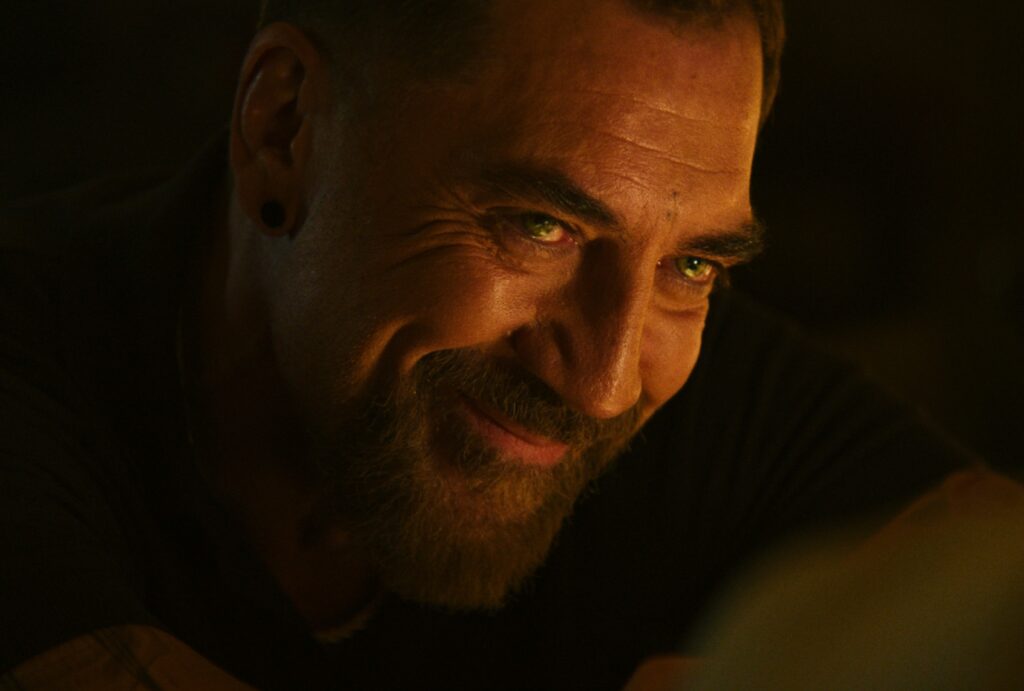
His Max Cady doesn’t dominate through explosive rage. He dominates through patience.
He studies people before manipulating them. His posture is composed, his eye contact unwavering, and his voice rarely rises above what the moment requires. Even his calm becomes a weapon.
Violence isn’t his first move—it’s what happens after emotional manipulation has already done the work.
That’s what makes his performance so compelling. Every smile feels intentional. Every silence carries meaning. By the time violence arrives, Cady has already begun dismantling the people around him from the inside out.
A Story That Reflects Today’s Fears
One of the series’ greatest strengths is recognizing that our fears have changed.
Rather than relying almost exclusively on physical intimidation, it weaponizes the tools of contemporary life—technology, perception, and information. Artificial intelligence, manipulated digital content, technical failures, drugging, and emotional coercion become instruments of control, creating an atmosphere where the Bowden family can no longer trust what they see or believe.
Perhaps the most unsettling realization is that Max Cady doesn’t create the family’s dysfunction—he recognizes it before anyone else does. He exploits existing fractures, turning doubt into his most effective weapon.
The series also makes a significant creative change by removing Max Cady’s predatory pursuit of Danielle Bowden. In the 1991 film, those scenes established his complete lack of moral boundaries. Here, the writers choose a different approach.
In an era with a deeper understanding of grooming, child exploitation, and trauma, repeating that storyline could have overshadowed the broader themes the series wanted to explore. Instead, Cady’s manipulation extends across the entire family, making his cruelty emotional before it becomes physical.
The result isn’t a softer Max Cady.
It’s a more contemporary one.
Beneath all of this remains the question that has always defined Cape Fear: where is the line between justice and revenge? Neither version offers easy answers, and that’s exactly why the story continues to resonate.
Giving the Monster More Depth
Another welcome addition is the decision to explore Max Cady’s family.
The original presents him almost as a force of nature. The series gives us glimpses of the environment that shaped him not excusing his actions, but to provide context.
That added depth is strengthened by the casting of Ron Perlman as Cady’s father, whose commanding presence quietly suggests that Max Cady’s story began long before the audience ever met him.
For brief moments, you may even feel empathy for the life he lived before becoming the man we meet. That doesn’t diminish his crimes. If anything, it makes them more disturbing because it reminds us that understanding someone’s past isn’t the same as justifying their choices.
Those added layers allow Bardem to portray a Cady driven not only by revenge, but also by trauma, abuse, abandonment, resentment, and an unwavering belief that the world owes him something.

Honoring the Legacy
The series also finds subtle ways to honor its predecessor.
Perhaps the most meaningful tribute comes with Juliette Lewis’ return. Rather than simply recreating her iconic role, the series gives her a new character, acknowledging her place in Cape Fear history while allowing her to contribute to its next chapter. It’s a thoughtful nod to longtime fans for nostalgia’s sake, a bridge between two generations of Cape Fear.

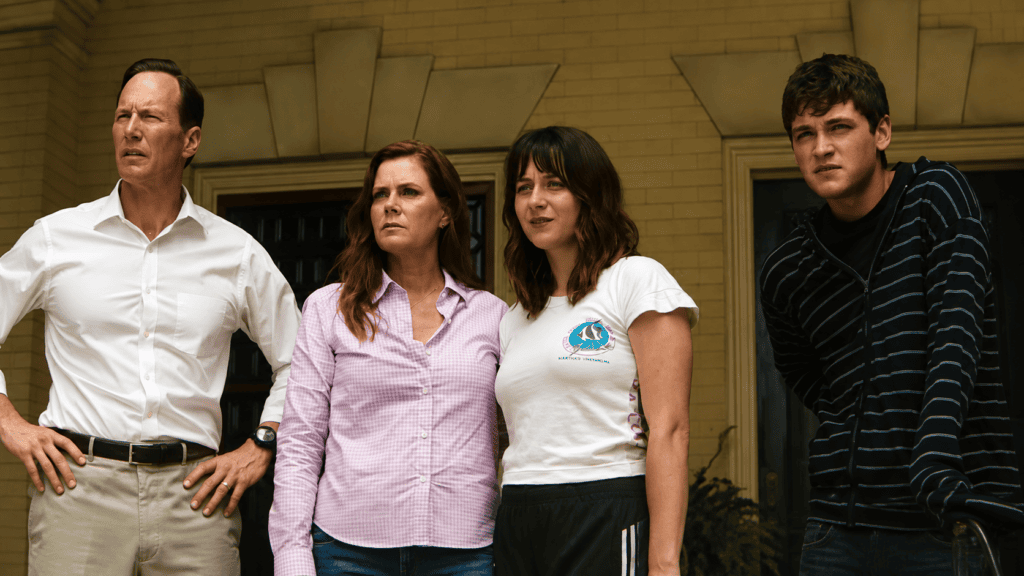
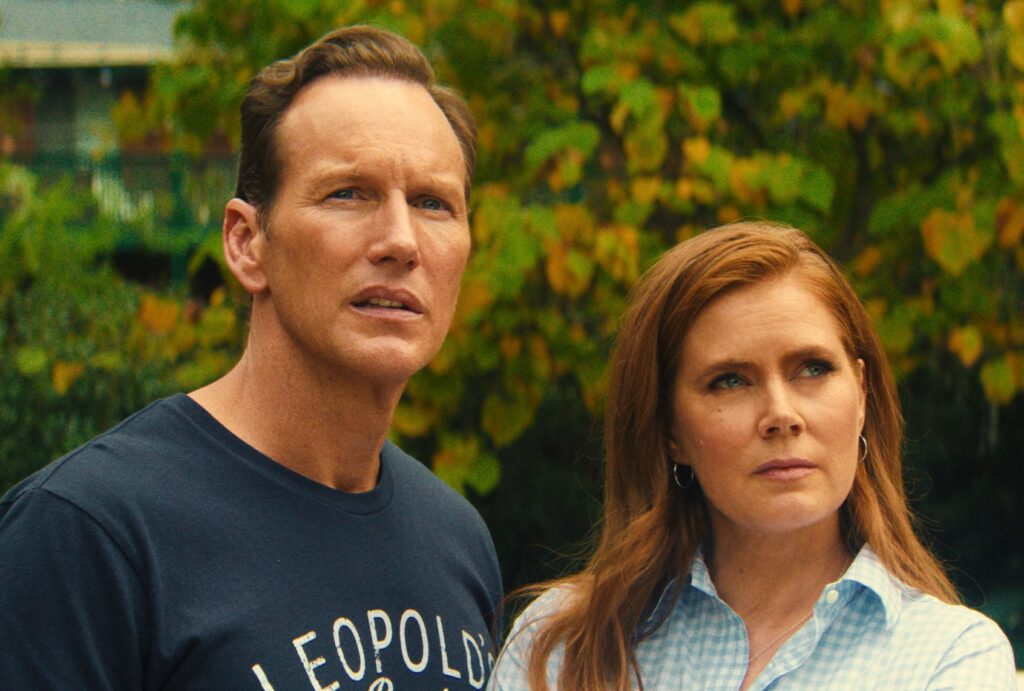
Amy Adams and Patrick Wilson also deserve praise for portraying a family that already carries emotional fractures before Cady enters their lives, making his manipulation feel all the more believable.
Even the slower pace serves the story. Rather than rushing from one shocking moment to the next, it allows paranoia and emotional exhaustion to build until the audience feels trapped alongside the Bowden family.
What stayed with me after finishing the series wasn’t the violence.
It was how easily someone like Max Cady could earn your trust before taking everything else from you.
That’s the difference between these two versions.
Scorsese’s Cape Fear(1991) captured the anxieties of its generation through physical intimidation and relentless suspense. The 2026 series reflects a world shaped by emotional manipulation, digital dependence, and the quiet erosion of trust.
Robert De Niro gave us a Max Cady who terrified through sheer physical presence.
Javier Bardem gives us one who unsettles through patience, charisma, and calculated manipulation.
Neither performance diminishes the other.The best adaptations don’t ask us to forget what came before. They remind us why stories endure in the first place. From the original 1962 film to Martin Scorsese’s 1991 reimagining, and now the 2026 series, Cape Fear has never stood still. Each version reflects the fears of its own era, proving that great stories aren’t timeless because they stay the same, they’re timeless because they continue to evolve.
About the Author